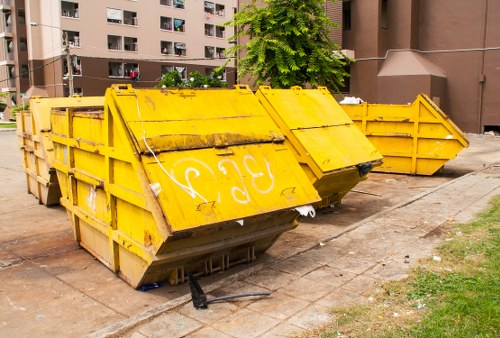
House Clearance Parsons Green — Recycling and Sustainability
House Clearance Parsons Green is committed to running an eco-friendly waste disposal area and promoting a truly sustainable rubbish area approach for every clear-out. Our aim is to balance efficient clearance with the highest environmental standards in the Parsons Green neighbourhood. We treat each job as an opportunity to keep materials in use, divert waste from landfill and support the local circular economy.We have set a clear recycling percentage target to measure progress: an organisational goal of 70% recycling and reuse across all operations within the next three years, with individual clearance targets often exceeding this for salvage-rich jobs. That target drives our day-to-day decisions — from sorting on-site to prioritising donation and repair pathways. Strong monitoring and reporting ensure transparency and continuous improvement.
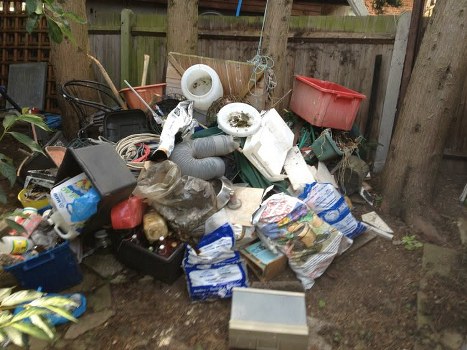 Our work extends beyond the kerb. We rely on nearby transfer and processing facilities to keep the Parsons Green area clean and sustainable. Local transfer stations and partner facilities include:
- the borough transfer centre and recycling points serving Hammersmith & Fulham
- neighbouring Wandsworth and Kensington sorting and processing hubs
- regional reuse depots that accept salvaged furniture and appliances
We believe in meaningful partnerships with charities and social enterprises to extend the life of household goods. Charity partnerships with organisations such as Emmaus, Shelter and the Salvation Army help us divert usable furniture, clothing and appliances to people who need them most. These collaborations turn house clearance waste into community resources and support social value in Parsons Green.
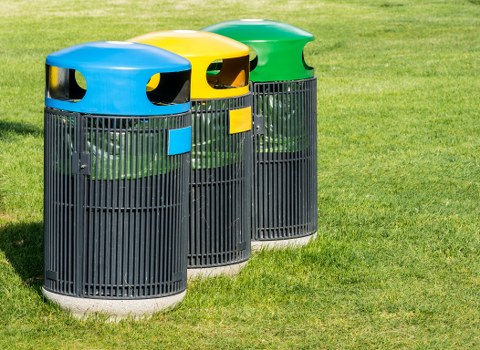 Our sorting process separates materials into clear streams: recoverable furniture and textiles, electronics for repair or safe recycling, metals, wood, mixed dry recycling and controlled disposal for hazardous items. In line with the borough's approach to waste separation, we respect local collection policies — maintaining distinct flows for food waste, batteries, small electricals and mixed dry recyclables — and we prepare loads to match processing requirements at transfer stations. This reduces contamination and improves recycling yields.
We operate a
low-carbon fleet
that underpins our sustainable rubbish area strategy. Our vans are a mix of electric and Euro 6-compliant low-emission vehicles, with route optimisation software to minimise mileage and idling. By using low-carbon vans and smart logistics we reduce the carbon footprint of Parsons Green house clearance operations — translating into lower emissions per job and contributing to local air quality improvements.Beyond transport, we focus on material destiny. For items that cannot be reused or donated, we prioritise recycling streams and certified processors. Our internal targets often aim for an 85% diversion rate from landfill on jobs where salvageable items are present, while maintaining the organisation-wide 70% recycling and reuse target. We also offer customers clear information about how the boroughs’ separation policies affect what can be collected and how materials will be treated.
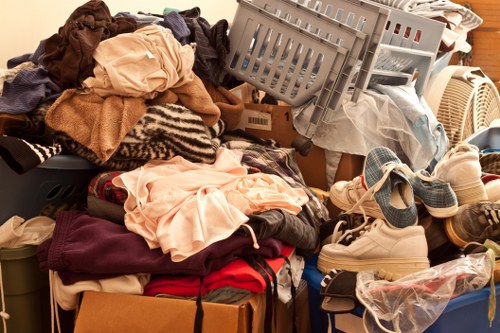 Community engagement is an important part of our sustainability work. We host regular small-scale collection days with local groups, provide surplus items to community projects and train staff in responsible handling and zero-waste best practices. Collaboration with transfer stations, council waste teams and charities ensures that donated goods and recyclable materials are processed quickly, safely and in line with environmental regulations.
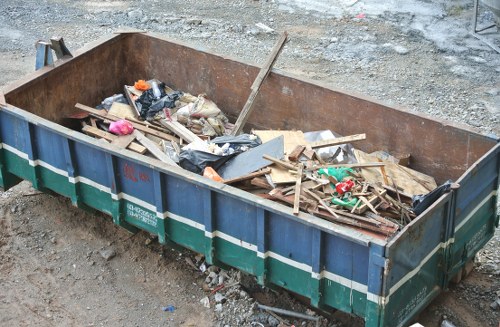 In summary, our Parsons Green clearance services combine practical house clearance expertise with a strong environmental ethic. Whether you request a full house clear-out or a simple room clearance, we apply consistent recycling targets, partner with local transfer stations and charities, and run a low-emission fleet to maintain an eco-friendly waste disposal area and a resilient sustainable rubbish area for the community. Our approach reduces landfill, supports reuse and helps protect the local environment for the long term.